
Redefine Ph+ ALL treatment for newly diagnosed patients
The FIRST and ONLY FDA-APPROVED TKI for adults with NEWLY DIAGNOSED Ph+ ALL, in combination with chemotherapy1
Study design: PhALLCON was the first head-to-head phase 3 clinical trial vs another TKI in adults with newly diagnosed Ph+ ALL1,2
245 global participants were randomized 2:1 to receive ICLUSIG + chemotherapy or imatinib + chemotherapy in a study with a composite primary endpoint of MRD-negative CR at the end of induction1,2
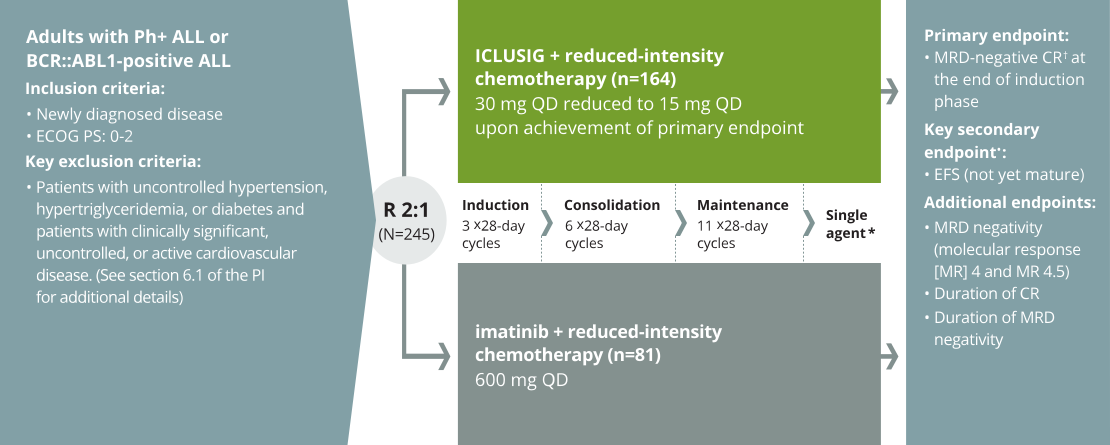
Only patients who achieved the primary endpoint of MRD-negative CR or CRi at the end of induction could continue study treatment at the investigator’s discretion1
- Single-agent therapy after chemotherapy for newly diagnosed Ph+ ALL is not an approved regimen1
*Following combination therapy, patients continued to receive ICLUSIG or imatinib as single-agent therapy until relapse from CR, progressive disease (PD), hematopoietic stem cell transplantation (HSCT), start of alternative therapy, or unacceptable toxicity.1
†MRD negativity was defined as ≤0.01% BCR::ABL1/ABL1 or undetectable BCR::ABL1 transcripts in cDNA with ≥10,000 ABL1 transcripts. BCR::ABL1/ABL1 levels were reported as an absolute (raw) ratio for the p190 variant test and on the International Scale (BCR::ABL1IS) for the p210 variant test. Patients were considered to achieve CR if they maintained/had no circulating blasts and <5% blasts and normal maturation of all cellular components in the bone marrow, no extramedullary disease (ie, central nervous system involvement, lymphadenopathy, splenomegaly, skin/gum infiltration, testicular mass), and ANC ≥1000/mcL, and platelets ≥100,000/mcL for at least 4 weeks. Patients who met both criteria were considered to have achieved MRD-negative CR.1
‡EFS defined as dates of randomization until death due to any cause, failure to achieve CR by the end of induction, or relapse from CR.3
ALL=acute lymphoblastic leukemia; ANC=absolute neutrophil count; cDNA=complementary DNS; CNS=central nervous system; CR=complete remission/response; CRi=incomplete hematologic response; ECOG PS=Eastern Cooperative Oncology Group performance status; EFS=event-free survival; MRD=minimum residual disease; Ph+ALL=Philadelphia chromosome-positive acute lymphoblastic leukemia; PI=prescribing information; PO=per os; OD=once daily; SCT=stem cell transplantation; TKI=tyrosine kinase inhibitor.
Reduced-intensity chemotherapy regimens
Reduced-intensity chemotherapy regimens
- Induction (3 x 28-day cycles)1
- Vincristine 1.4 mg/m2 (capped at 2 mg) intravenously (IV): Days 1,14
- Dexamethasone 40 mg (<60 years), 20 mg (≥60 years) orally (PO): Days 1–4, 11–14
- Consolidation (6 x 28-day cycles)1
- Methotrexate 1000 mg/m2 (<60 years), 250 mg/m2 (≥60 years) IV: Day 1 on Cycles 4, 6, 8
- Cytarabine* 1000 mg/m2 (<60 years), 250 mg/m2 (≥60 years) IV: Days 1, 3, 5 on Cycles 5, 7, 9
- Maintenance (11 x 28-day cycles)1
- Vincristine 1.4 mg/m2 (capped at 2 mg/m2) IV: Day 1 of each cycle
- Prednisone 200 mg PO (<60 years), 100 mg PO (≥60 to 69 years), 50 mg PO (≥70 years) on Days 1 to 5
CNS prophylaxis was administered on Day 1 and Day 14 of the 3 induction phase cycles and the first 3 consolidation phase cycles (total: 6 cycles, 12 intrathecal injections) and comprised a triple intrathecal injection of methotrexate, cytarabine, and corticosteroids. If patients moved to the maintenance phase directly from induction or before completing consolidation, they were still required to receive the complete course.2
*Every 12 hours.
ICLUSIG: For the range of appropriate patients you see in your practice1
ICLUSIG was studied in a diverse range of adults with newly diagnosed Ph+ ALL in PhALLCON1
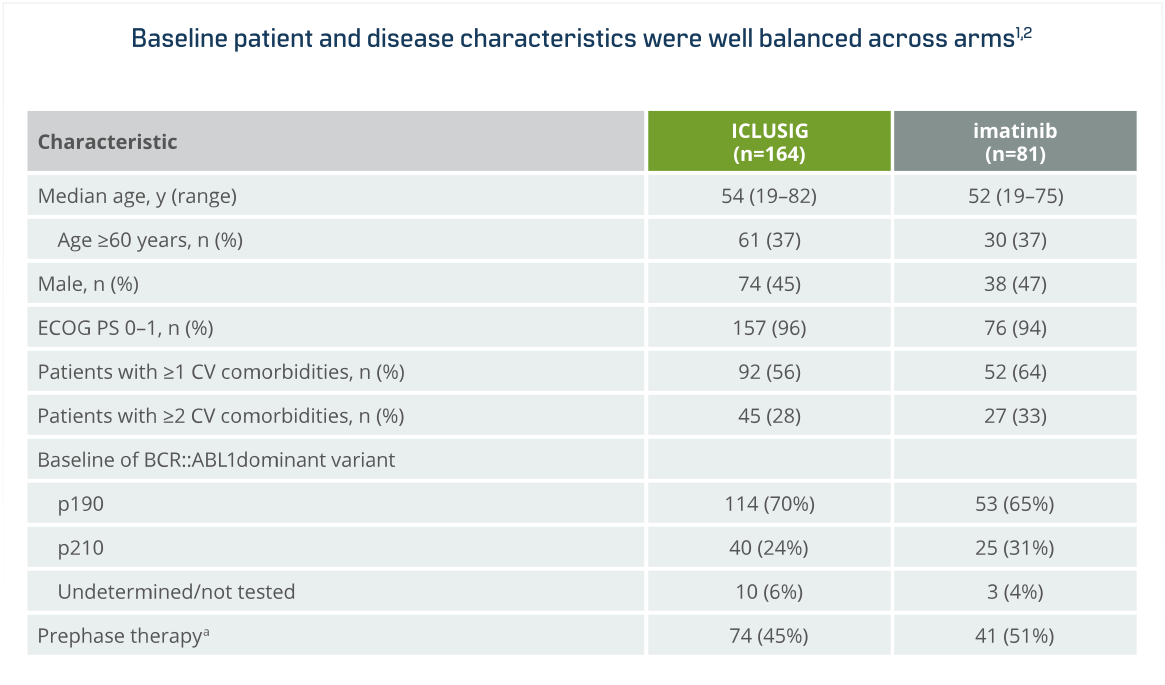
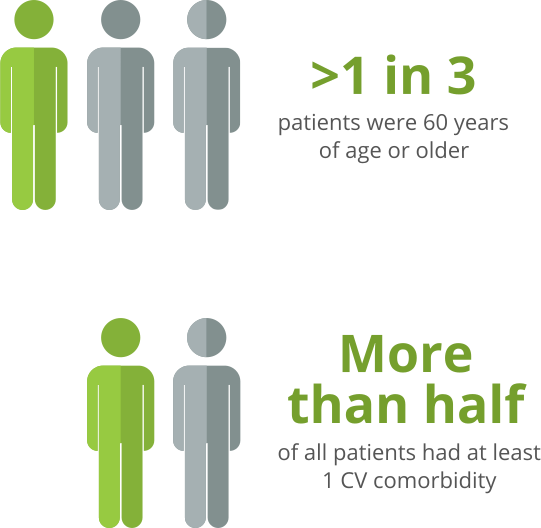
aPer protocol, patients were allowed to receive one cycle of optional prephase therapy excluding TKI prior to randomization.1
CV=cardiovascular; ECOG PS=Eastern Cooperative Oncology Group performance status; Ph+ ALL=Philadelphia chromosome-positive acute lymphoblastic leukemia; TKI=tyrosine kinase inhibitor
ICLUSIG Efficacy: Significantly superior rate of MRD-negative CR with ICLUSIG vs imatinib at the end of induction (primary endpoint)1
In PhALLCON, ICLUSIG delivered more than double the rate of MRD-negative CR at the end of the 3-month induction phase1
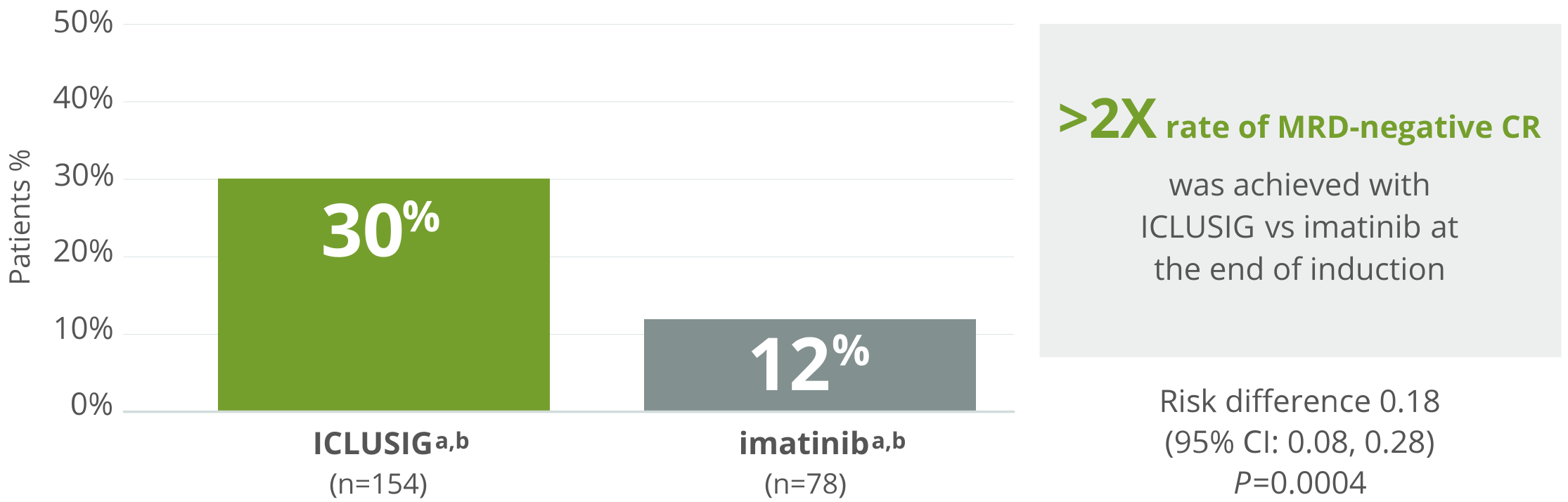
- MRD-negative CR is defined as ≤0.01% BCR::ABL1/ABL1 or undetectable BCR::ABL1 transcripts in cDNA with ≥10,000 ABL1 transcripts, and meeting criteria for CR.*
aOf the 245 randomized patients, 244 patients were treated. Efficacy population included patients with baseline BCR::ABL1 dominant variant p190 and p210; 13/245 patients had atypical, missing, or unevaluable BCR::ABL1 assessment and were not included in the efficacy analysis.1,2
bTreatments were used in combinations with chemotherapy.1
*BCR::ABL1/ABL1 levels were reported as an absolute (raw) ratio for the p190 variant test and on the International Scale (BCR::ABL1IS) for the p210 variant test. Patients were considered to achieve CR if they maintained/had no circulating blasts and <5% blasts and normal maturation of all cellular components in the bone marrow, no extramedullary disease, ANC ≥1000/mcL, and platelets ≥100,000/mcL for at least 4 weeks. Patients who met both criteria were considered to have achieved MRD-negative CR.2
ANC=absolute neutrophil count; cDNA=complementary DNA; CI=confident interval; CR=complete remission/response; EFS=event-free survival; MRD=minimal residual disease.
ICLUSIG delivered a higher rate of MRD negativity* vs imatinib at the end of induction (additional endpoint)2
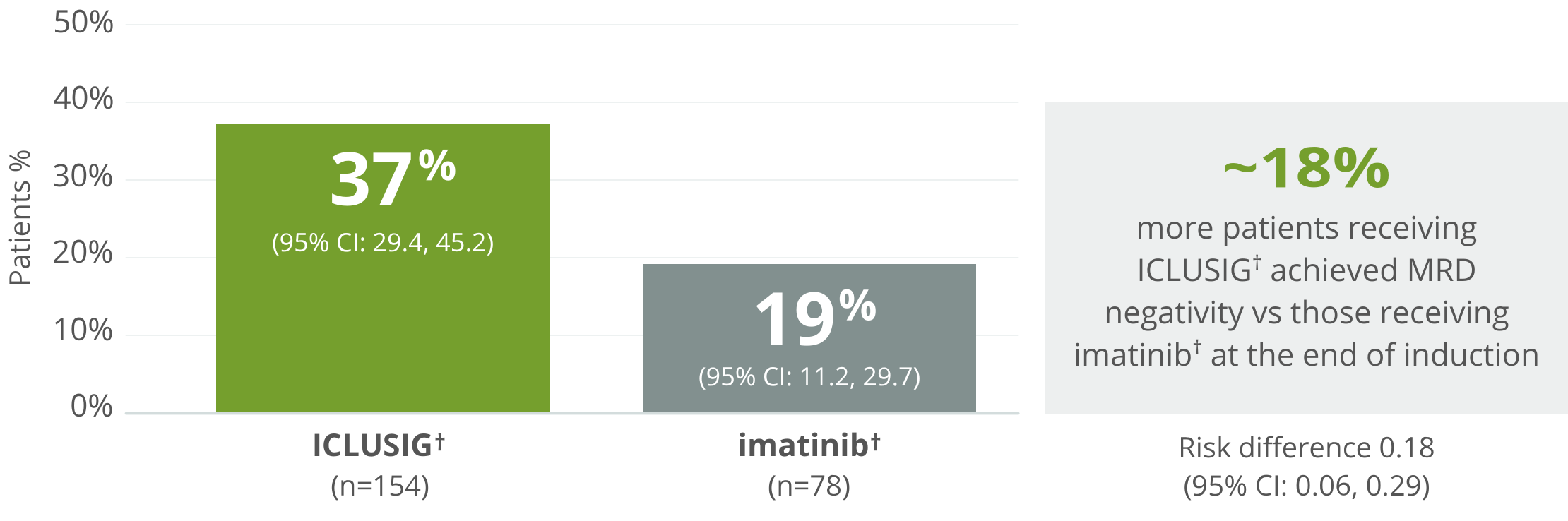
- Limitations: PhALLCON was designed to show a statistically significant difference between arms for MRD-negative CR*; the trial was not designed to show a statistically significant difference between arms for MRD-negativity alone1,2
*MRD negativity was defined as ≤0.01% BCR:ABL1/ABL1 or undetectable BCR::ABL1 transcripts in cDNA with ≥10,000 ABL1 transcripts. BCR::ABL1/ABL1 levels were reported as an absolute (raw) radio for the p190 variant test and on the International Scale (BCR::ABL1IS) for the p210 variant test.4
†Treatments were used in combination with chemotherapy.1
CI=confidence interval; CR=complete remission/response; MR=molecular response; MRD=minimal residual disease.
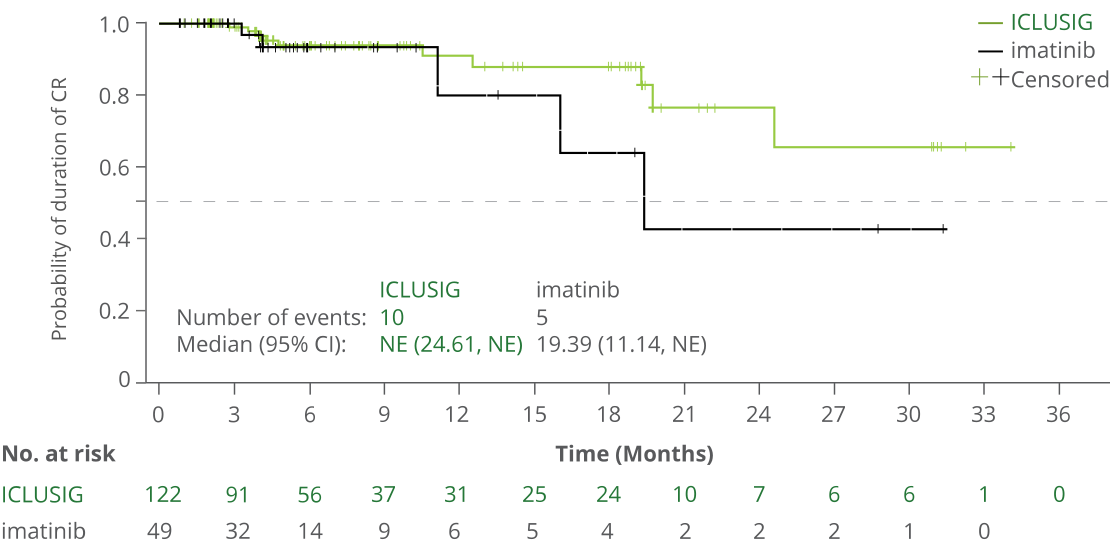
ICLUSIG extended the duration of complete remission vs imatinib2 (additional endpoint)
Median duration of CR was not reached with ICLUSIG vs 19.4 months with imatinib
Duration of CR2*†
Study features3,4
- The median duration of follow-up was 20.4 months (95% CI: 18.4, 23.9) with ICLUSIG and 18.1 months (95% CI: 13.9, 24.3) with imatinib
- Relapse from CR: 8.2% (n=10) of ICLUSIG patients vs 10.2% (n=5) of imatinib patients at the time of data cutoff (August 12, 2022)
- Limitations: PhALLCON was designed to show a statistically significant difference between arms for MRD-negative CR‡; the trial was not designed to show a statistically significant difference between arms for duration of CR
*CR was defined as meeting all of the following for ≥4 weeks: <5% lymphoblasts in bone marrow, no lymphoblasts in blood, blood cell counts have normalized, and all signs and symptoms of ALL are gone.
†Complete remission is also known as complete response.
‡MRD negativity was defined as ≤0.01% BCR:ABL1/ABL1 or undetectable BCR::ABL1 transcripts in cDNA with ≥10,000 ABL1 transcripts BCR::ABL1/ABL1 levels were reported as an absolute (raw) radio for the p190 variant test and on the International Scale (BCR::ABL1IS) for the p210 variant test.
ALL=acute lymphoblastic leukemia; CI=confidence interval; CR=complete remission/response; MRD=minimal residual disease; NE=not evaluable
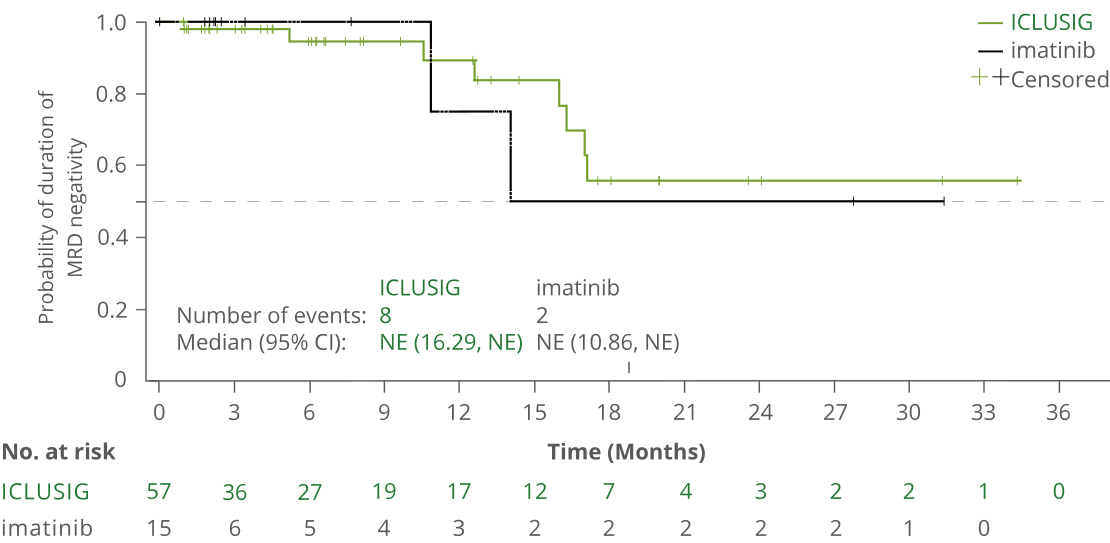
Durable MRD negativity with ICLUSIG (additional endpoint)2-4
Median duration of MRD negativity was not reached in either arm (ICLUSIG vs imatinib)†‡
Duration of MRD negativity2
Study features3,4
- Relapse from MRD negativity: 14% (n=8) of ICLUSIG patients vs 13.3% (n=2) of imatinib patients at the time of data cutoff (August 12, 2022)
- Limitations: PhALLCON was designed to show a statistically significant difference between arms for MRD-negative CR‡; the trial was not designed to show a statistically significant difference between arms for duration of MRD negativity
†Complete remission is also known as complete response1
‡MRD negativity was defined as ≤0.01% BCR:ABL1/ABL1 or undetectable BCR::ABL1 transcripts in cDNA with ≥10,000 ABL1 transcripts. BCR::ABL1/ABL1 levels were reported as an absolute (raw) radio for the p190 variant test and on the International Scale (BCR::ABL1IS) for the p210 variant test.3
cDNA=complementary DNA; CI=confidence interval; CR=complete remission/response; MRD=minimal residual disease; NE=not evaluable
Safety profile: In adults with newly diagnosed Ph+ ALL, ICLUSIG + chemotherapy had a comparable safety profile to imatinib + chemotherapy1
Most common adverse reactions ≥20% in the PhALLCON study1
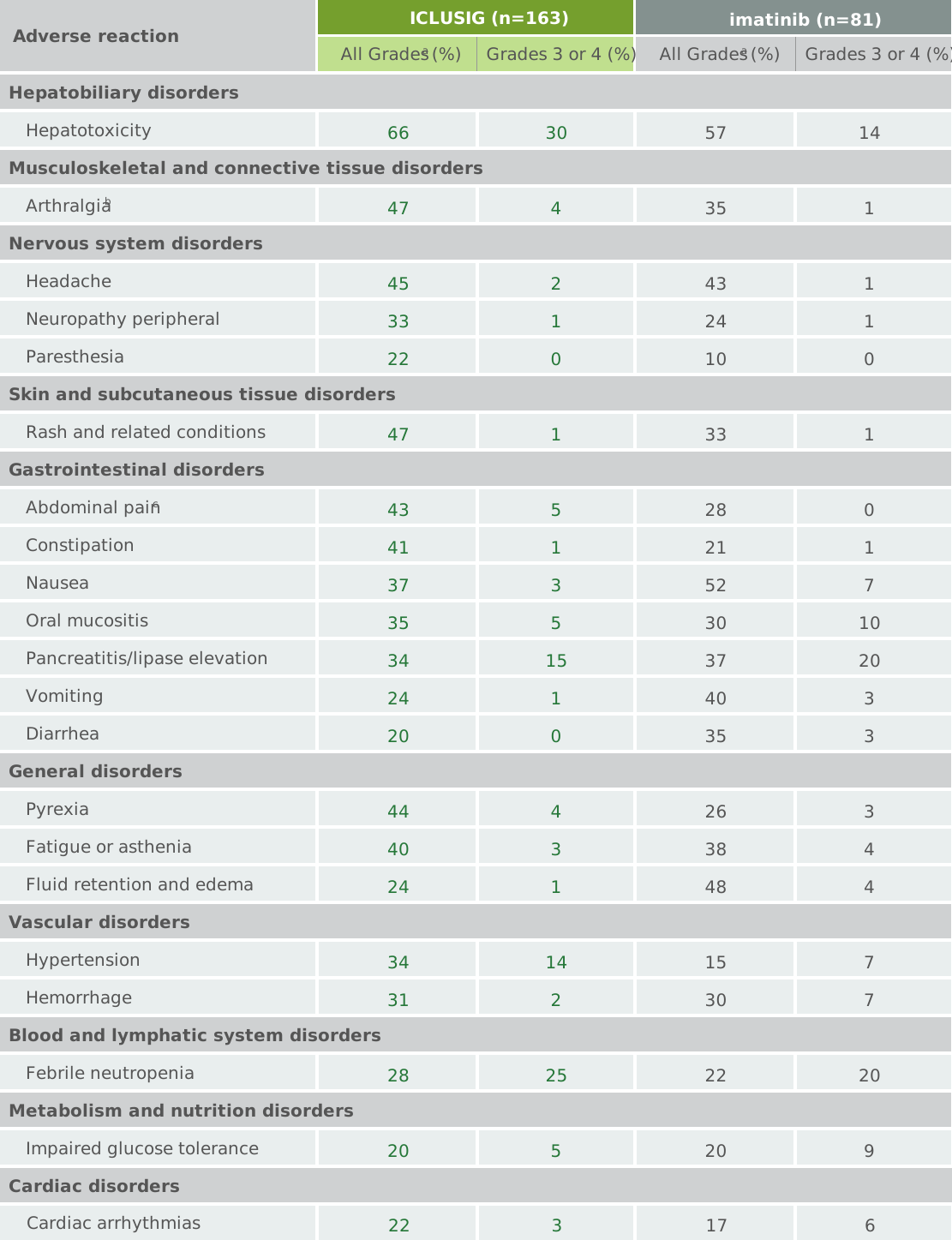
a Graded using CTCAE v5.0.1
b Includes arthralgia, arthritis, back pain, flank pain, intervertebral disc degeneration, joint swelling, osteoarthritis, pain, neck pain, pain in extremity, pain of skin, sciatica, spinal pain, tendonitis, and tenosynovitis.1
c Includes abdominal discomfort, abdominal distension, abdominal pain, abdominal pain lower, abdominal pain upper, chronic gastritis, colitis, enteritis, enterocolitis, gastric ulcer, gastritis, gastroenteritis, gastrointestinal pain, gastroesophageal reflux disease, and helicobacter gastritis.1
AR=adverse reaction; CTCAE=Common Terminology Criteria for Adverse Events; Ph+ ALL=Philadelphia chromosome-positive acute lymphoblastic leukemia.
ICLUSIG + chemotherapy safety profile in the PhALLCON study
Serious and fatal adverse reactions
- Serious adverse reactions occurred in 63% of ICLUSIG patients and 57% of imatinib patients1,2
- Serious adverse reactions (>2%) in ICLUSIG patients included febrile neutropenia (18%), pyrexia (6%), thrombocytopenia (4.3%), sepsis (3.7%), septic shock (3.7%), anemia (2.5%), hemorrhage (2.5%), neutropenia (2.5%), pancreatitis (2.5%), peripheral neuropathy (2.5%), pneumonia (2.5%), and acute kidney injury (2.5%)1
- Fatal adverse reactions occurred in 6% of patients in both arms (ICLUSIG: 9 patients; imatinib: 5 patients). These events included sepsis in 6 (3.7%) ICLUSIG patients and 2 (2.4%) imatinib patients, sudden death, pneumonitis and respiratory failure in 1 (0.6%) ICLUSIG patient each, and pulmonary sepsis, depressed level of consciousness and pseudomembranous colitis in 1 (1.2%) imatinib patient each. One fatal TEAE was considered treatment-related in the imatinib arm (depressed level of consciousness)1,2
Discontinuations
- Permanent discontinuation due to adverse reactions occurred in 13% of ICLUSIG patients. Adverse reactions resulting in permanent discontinuation in >2% of ICLUSIG patients included arterial occlusive events and sepsis1
Laboratory abnormalities
- The most common Grade 3 or 4 laboratory abnormalities (>20%) are decreased white blood cell count, decreased neutrophil cell count, decreased platelet count, decreased lymphocyte cell count, decreased hemoglobin, increased lipase, and increased ALT1
Clinically relevant
- Clinically relevant adverse reactions in ≤10% of ICLUSIG patients included urinary tract infection (10%), arterial occlusive events (6%), cardiac failure (6%), and acute kidney injury (4.3%)1
In PhALLCON, ICLUSIG demonstrated comparable safety outcomes with imatinib, including rates and severity of AOEs and VTEs1,2
- The rate of TE-VTEs was 11.7% in ICLUSIG patients vs 12.3% in imatinib patients2
- The rate of TE-AOEs was 2.5% in ICLUSIG patients vs 1.2% in imatinib patients2
AOEs=arterial occlusive events; ALT=alanine aminotransferase; TE-AOEs=treatment-emergent arterial occlusive events; TE-VTEs=treatment-emergent venous thromboembolic events; TEAE=treatment-emergent adverse event; VTEs=venous thromboembolic events.
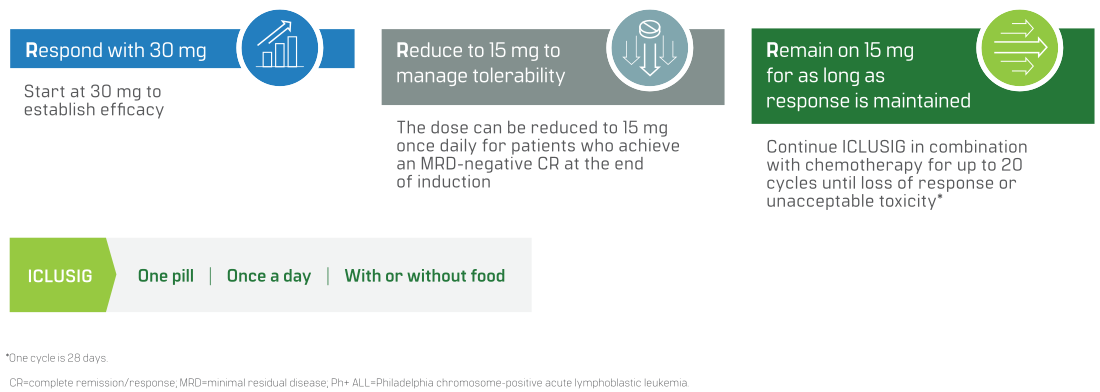
Optimized dosing with ICLUSIG + chemotherapy for adults with newly diagnosed Ph+ ALL1
A starting dose of ICLUSIG 30 mg can be reduced to 15 mg once a patient achieves a meaningful response
For maximized disease control, follow the 3 Rs: