
T315I is the most common mutation in TKI-resistant CML1-3
Among patients with a BCR::ABL1 mutation, the frequency of the T315I mutation was 10-27%.2,4-6,a
Reviews of the clinical literature showed that:
- Development of the T315I mutation leads to resistance with first- or second-generation TKIs1,7
- BCR::ABL1 mutation testing helps inform TKI treatment choice7,8
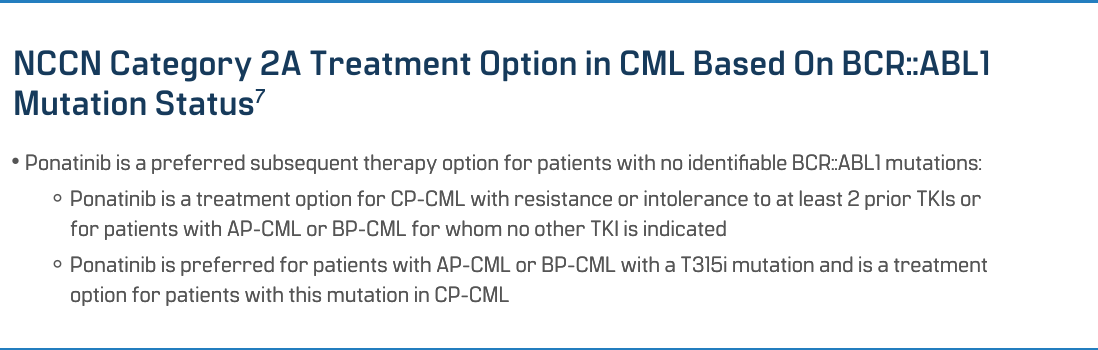
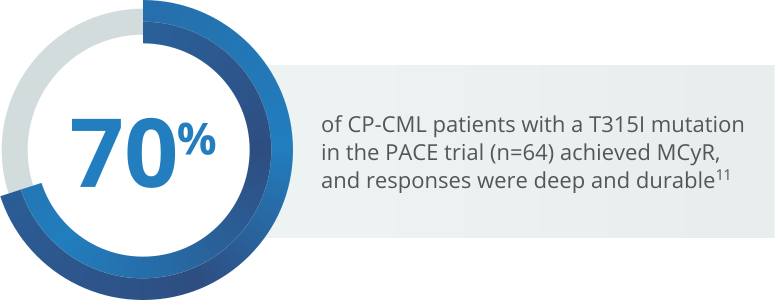
ICLUSIG is the only third-generation pan-mutational TKI that delivers proven long-term efficacy for patients with a T315I mutation9-11
PACE trial design
PACE was a single-arm, open-label, international, multicenter, phase 2 trial in adult CML or Ph+ ALL patients whose disease was considered to be resistant or intolerant to a prior kinase inhibitor or who had T315I mutation (N=449; n=64 T315I-positive CML). At study completion, the mediation duration of follow-up for the trial (all cohorts) was 40.5 months (range 0.1 months to 79.5 months). The major efficacy outcome measure (primary endpoint) for patients with CP-CML was MCyR by 12 months, which included CCyR and PCyR.10,11
ICLUSIG 5-year safety data in CP-CML
ICLUSIG simple once-daily oral dosing
CCyR=complete cytogenetic response; CML=chronic myeloid leukemia; CP‑CML=chronic phase chronic myeloid leukemia; MCyR=major cytogenetic response; NCCN=National Comprehensive Cancer Network® (NCCN®); OS=overall survival; PCyR= partial cytogenetic response; Ph+ ALL= Philadelphia chromosome-positive acute lymphoblastic leukemia; TKI=tyrosine kinase inhibitor.